In the realm of occupational safety, the "Work Safety Helmet" stands as an essential piece of protective gear. David McKenzie, a leading expert in industrial safety, emphasizes, "A helmet is not just a piece of equipment; it's a lifesaver." This statement captures the critical role that helmets play in safeguarding workers from head injuries.
Selecting the right Work Safety Helmet is vital. It must meet specific safety standards and include features tailored to the work environment. For instance, the helmet’s material and weight can impact comfort during long hours of wear. Furthermore, ventilation is often overlooked but is essential for maintaining worker concentration and preventing heat stress.
While many focus solely on the cost, reflecting on the long-term benefits of investing in high-quality protective gear can save lives. Consideration of factors like adjustable straps and impact resistance adds to the functionality of the helmet. Missing out on these features may lead to inadequate protection and increased risk on the job.
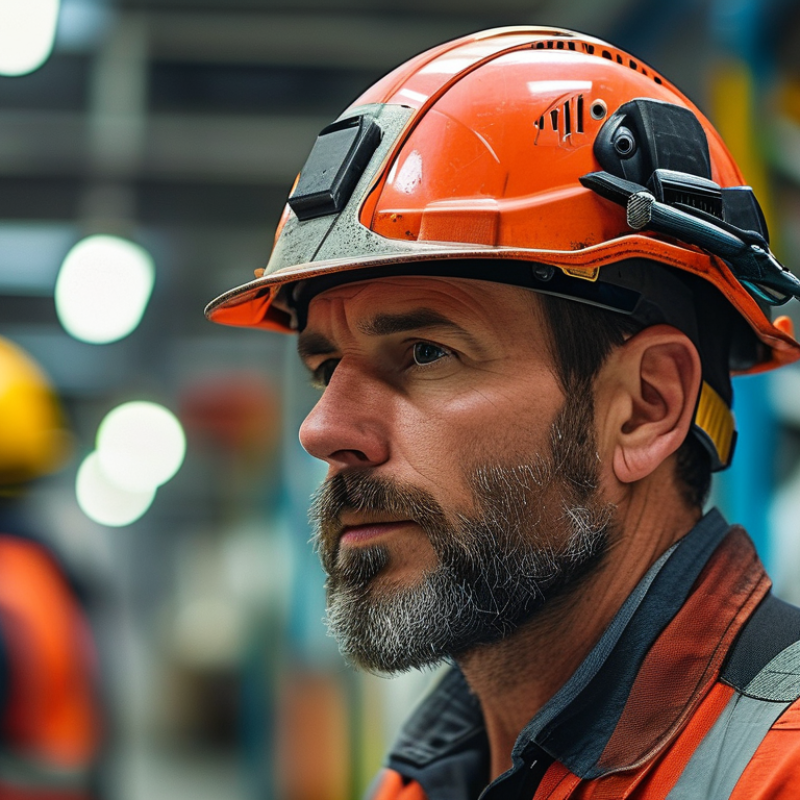
When selecting a work safety helmet, understanding the key materials is essential. Most helmets are made from polycarbonate, fiberglass, or high-density polyethylene (HDPE).
Polycarbonate is lightweight yet highly durable, providing excellent impact resistance. Fiberglass offers superior strength but can be heavier. HDPE, on the other hand, is chemically resistant and provides good protection at a lower cost.
The choice of material affects the helmet's performance and longevity. A study by the National Institute for Occupational Safety and Health (NIOSH) highlights that helmets made from polycarbonate can withstand significant impacts, reducing the risk of head injuries by over 30%. In contrast, helmets made from lower quality materials may not provide adequate protection, leading to increased workplace accidents.
Tips: Always check compliance with safety standards. Look for certifications like ANSI or ISO. Conduct regular inspections to ensure the helmet remains in good condition. Remember, even the best helmet can fail if damaged or improperly maintained. Choosing the right material matters significantly, but how you care for your equipment is equally important to ensure maximum safety.
When choosing a work safety helmet, comfort and fit are crucial. A helmet that doesn’t fit well can be distracting and even dangerous. Look for adjustable straps that allow you to customize the fit. A snug helmet will stay in place during movement, ensuring optimal protection.
Padding is another essential feature. Many helmets come with foam padding that absorbs sweat. This helps keep your head cool during long hours in the workplace. Some helmets also offer removable liners for easy cleaning. It’s important to prioritize hygiene, especially in dusty or dirty environments.
Tips: Always try on a helmet before purchase. Pay attention to pressure points. Adjust the straps to avoid discomfort. Also, check the weight of the helmet. A heavy helmet can lead to fatigue over long periods.
The design of the helmet plays a role as well. Lightweight materials can reduce strain on your neck. Furthermore, ventilation holes can improve airflow. This keeps you comfortable and focused. Comfort may vary; what feels good for one person may not suit another. Be open to different styles and features.
When selecting a work safety helmet, impact resistance is crucial. A helmet’s ability to withstand blows can save lives. Impact ratings reflect how well a helmet can absorb energy during an accident. Understanding these ratings helps inform your choice.
Certifications, such as ANSI or EN, indicate a helmet's reliability. A higher protection rating means better safety for workers in hazardous environments. Different jobs may require different levels of protection. Construction workers need sturdier helmets than office staff. It’s essential to assess the risks associated with your specific workplace.
Many workers overlook the importance of comfort and fit. A helmet that doesn’t fit well may not provide optimal protection. Regularly inspecting your helmet for signs of wear can prevent potential failures. Investing time in finding the right helmet is worthwhile. Poor choices can lead to serious consequences. Consider both functionality and comfort for maximum safety.
| Feature | Description | Importance |
|---|---|---|
| Impact Resistance | Ability to withstand blows and impacts from falling objects. | Critical for preventing head injuries on construction sites. |
| Protection Ratings | Various ratings such as ANSI, CE that indicate safety standards met. | Ensures compliance with workplace safety regulations. |
| Weight | Lightweight materials help reduce neck strain over long periods. | Enhances comfort and encourages consistent use. |
| Ventilation | Vent holes to allow airflow and reduce heat build-up. | Improves comfort in hot weather conditions. |
| Adjustable Fit | Features like chin straps and padding for a secure fit. | Ensures the helmet stays in place during use. |
When selecting a work safety helmet, additional features like visors and ventilation systems are crucial. A quality visor protects the face from debris and harmful rays. It acts as a shield against flying particles, which is essential in many work environments. Adjustable visors can also enhance visibility under different lighting conditions.
Ventilation systems in helmets play a significant role in comfort. Proper airflow helps in regulating temperature, especially during extended wear. This can reduce sweat buildup, preventing distraction and discomfort. However, not all helmets manage ventilation effectively; some may compromise safety for comfort. It’s vital to find a balance between adequate protection and airflow.
Evaluating these features is not straightforward. Misjudging the importance of a visor can lead to injuries. Similarly, overemphasizing comfort may leave workers vulnerable. Taking time to assess and test different options can lead to informed choices. Safety should never be an afterthought; every feature plays a part in ensuring worker protection.
When selecting a work safety helmet, understanding compliance with industry standards is crucial.
Helmets should meet specific certifications to ensure adequate protection. Look for markings that indicate conformity
with ANSI or ISO standards. These certifications verify that the helmet has passed rigorous testing.
Overlooking this aspect can lead to serious safety risks.
It’s essential to understand the implications of not choosing compliant helmets. A non-certified helmet may
provide inadequate resistance against impacts, which can be fatal in hazardous environments. Always check for
compliance labels before purchasing. This not only assures safety but also reflects professionalism in the workplace.
Tips: Consider comfort and fit along with compliance. A helmet that doesn’t fit well may be ignored during work.
Regularly inspect helmets for signs of wear. Avoid using helmets past their expiration date. Mitigating risk starts
with choosing the right protective gear, ensuring both safety and longevity.
: Common materials include polycarbonate, fiberglass, and high-density polyethylene (HDPE). Each has unique properties.
Polycarbonate is lightweight and durable. It provides excellent impact resistance, making it effective for protecting the head.
Fiberglass is strong but heavier than other materials. It offers superior protection, yet the added weight may be a drawback.
HDPE is chemically resistant and offers good protection at a lower cost. However, it may not be as impact-resistant as polycarbonate.
Ensuring compliance with safety standards protects against inadequate helmet performance. Certifications like ANSI or ISO indicate quality and safety.
A good ventilation system improves comfort by regulating temperature. Poor ventilation can lead to discomfort, distracting the wearer.
Visors protect the face from debris and harmful rays. They enhance visibility but need to be adjustable for different lighting conditions.
Even the best helmets can fail if damaged or neglected. Regular inspections are crucial for maintaining safety.
Balancing comfort and protection is essential. Focusing too much on comfort can compromise safety and leave workers vulnerable.
Each feature contributes to safety. It's important to thoughtfully assess options to ensure adequate protection for workers.
When selecting a Work Safety Helmet, several key features are essential to ensure optimal protection and comfort. Firstly, the materials used in the helmet significantly affect its durability and weight, influencing overall user comfort. Additionally, a proper fit is crucial, as it ensures the helmet stays securely in place during work activities. Impact resistance and appropriate protection ratings are fundamental, as they determine how well the helmet can shield the wearer from injuries caused by falling objects or accidents.
Furthermore, additional safety features such as visors and ventilation systems enhance functionality and comfort. Visors provide protection from debris, while effective ventilation helps maintain a comfortable temperature inside the helmet. Lastly, compliance with industry standards and certifications is vital, ensuring that the helmet meets the necessary safety requirements for workplace environments. By considering these features, workers can choose a Work Safety Helmet that maximizes protection and comfort on the job.

Xintuo