Choosing the right Motorcycle Reflective Vest is a practical visibility decision, not a fashion choice. NHTSA’s Traffic Safety Facts 2022 reported 6,084 motorcyclists killed in the United States that year. Motorcyclists represented about 15% of all traffic fatalities, despite being a much smaller share of road users. The World Health Organization’s Global Status Report on Road Safety 2023 also identifies powered two- and three-wheelers as a major road safety concern worldwide. These findings do not prove that a vest prevents every collision. They show why riders should examine visibility carefully.
This guide will evaluate reflective coverage, fluorescent color, fit, ventilation, fastening systems, and night-time performance. It will also discuss EN ISO 20471, a recognized high-visibility clothing standard, while explaining that certification does not automatically make every vest motorcycle-ready. A useful vest should remain visible beneath a headlight beam, resist flapping at highway speed, and sit securely over a jacket. Small details matter. A loose buckle can distract you. Narrow reflective strips may disappear when a rider turns sideways. Comfort matters too, because an uncomfortable vest may stay in a garage. That is an honest weakness in many buying guides: they focus on brightness and ignore daily use. Field experience suggests that the best choice balances conspicuity, weather resistance, movement, and long-term durability. Readers should compare manufacturer measurements, material specifications, washing instructions, and independent test information before purchasing. Visibility helps, but it works alongside responsible riding, suitable lighting, and continuous attention.
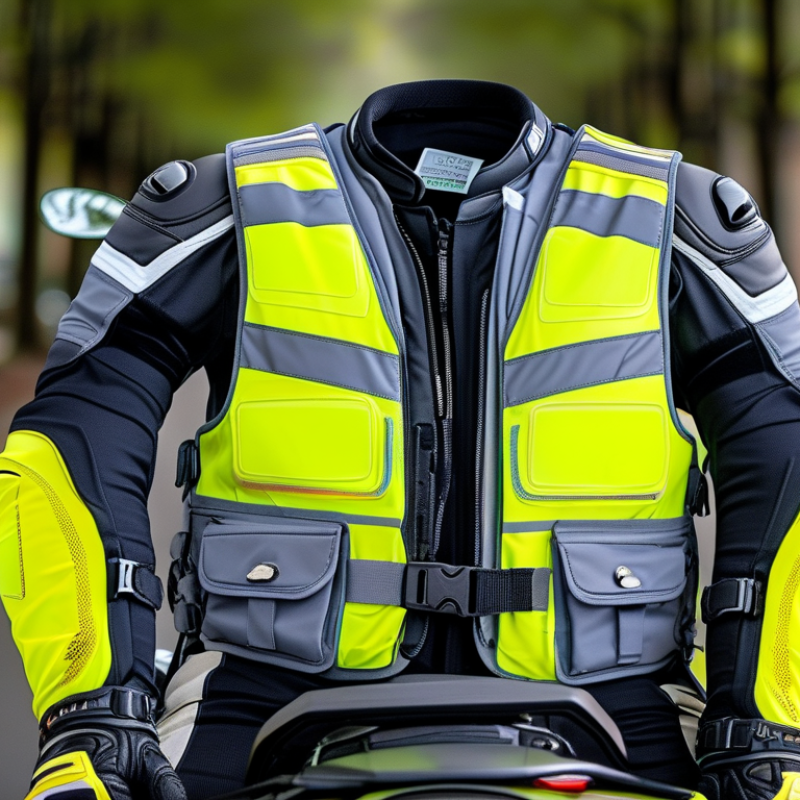
Understanding the Purpose of a Motorcycle Reflective Vest
A motorcycle reflective vest helps other road users detect you sooner. It does not replace protective armor or a certified helmet. NHTSA’s 2022 Traffic Safety Facts recorded 6,084 motorcyclist deaths in the United States. The same report states that motorcyclists were 14 times more likely to die in crashes than passenger-vehicle occupants, based on vehicle miles traveled. Visibility deserves serious attention.
The vest works through two different effects. Fluorescent fabric creates contrast during daylight, especially against gray roads or dark traffic. Retroreflective panels return headlight beams toward approaching drivers at night. The MAIDS in-depth motorcycle accident study identified rider visibility and recognition as recurring safety concerns. A useful vest should include broad reflective areas, strong color contrast, and coverage across the chest and back. Small decorative strips are not enough.
Fit matters more than many riders expect. Choose a vest that stays visible over a jacket without blocking controls or restricting shoulder movement. Check its materials and stated performance standards, such as ANSI/ISEA 107 or EN ISO 20471, where applicable. These standards can support informed selection, but they cannot guarantee that every driver will notice you. A vest is not magic. Wind, rain, glare, and poor positioning can reduce its effect. I would also inspect the panels regularly; dirt and worn reflective surfaces can quietly weaken the safety purpose.
When comparing high-visibility motorcycle vests, check the certified visibility class and the amount of fluorescent and retroreflective material. This chart shows the minimum surface areas specified by EN ISO 20471 for each visibility class. Class 3 requires the greatest coverage and is generally the most suitable option when maximum conspicuity is important. A reflective vest improves visibility but does not replace a certified helmet, protective clothing, gloves, or riding boots.
Data basis: Minimum material areas defined by EN ISO 20471. Values are shown in square metres.
Choosing the best motorcycle reflective vest starts with visibility, not appearance. The National Highway Traffic Safety Administration reported 6,084 motorcyclist fatalities in 2021, with motorcyclists representing 14% of all traffic deaths. A vest cannot prevent every crash, but it can help drivers notice your outline earlier. Test it at dusk. Stand beside a parked vehicle and ask someone to approach with low-beam headlights. Look for bright, sharp reflection across your chest and back. Small reflective strips may look impressive indoors. They can disappear outdoors.
Reflective materials also matter. Retroreflective tape sends light back toward the vehicle, unlike ordinary silver fabric. Choose broad panels, strong contrast, and coverage that remains visible when you lean forward. ANSI/ISEA 107-2020 classifies high-visibility garments by use and material performance, while EN ISO 20471 defines visibility classes from 1 to 3. These standards assess background fabric, reflective material, and minimum coverage. Check the sewn-in label, not only the seller’s description. A claimed “high visibility” garment may not meet a recognized standard.
Fit affects safety, too. The vest should sit flat over a jacket without blocking shoulder movement. Check visibility from the side and rear. I once chose a vest with excellent front reflection but weak side panels. That was careless. Reflective performance can also weaken after washing, abrasion, or heavy rain. Inspect the tape under a flashlight every few months. Replace it when cracks, peeling, or dull patches appear. Small details matter. Yet no vest replaces headlight use, lane awareness, and defensive riding.
Choosing the right size starts with your chest measurement, not your usual shirt label. Measure over the layers you normally wear while riding. A vest should sit flat across your chest without restricting breathing. Leave slight room for a thermal liner. Too much space creates flapping fabric and distracting wind noise. Too little space causes pressure at the shoulders. Sit on your motorcycle during the fitting. Your posture changes the fit noticeably. Adjustable side straps help, but they cannot fix an incorrect base size.
Comfort affects whether you actually wear the vest. Look for wide arm openings, soft collar edges, and breathable panels behind the back. A smooth zipper matters when gloves make small movements difficult. Reflective bands should remain visible from the front, sides, and rear.
ANSI/ISEA 107-2020 evaluates high-visibility garments through background and retroreflective materials. EN ISO 20471 also uses performance classes for visibility. These standards do not guarantee perfect motorcycle protection. They provide useful benchmarks.
NHTSA’s 2022 Traffic Safety Facts reported 6,084 motorcyclists killed in traffic crashes during 2022. Better visibility may support recognition, but fit still demands personal testing.
I once preferred a very loose vest, then noticed it lifted badly at highway speed. That choice looked comfortable in a shop. It was not comfortable in motion. Check the vest with your helmet, jacket, and gloves before buying.
How to Choose the Best Motorcycle Reflective Vest?
A reflective vest should match the conditions you actually ride in. Urban streets need bright front and rear panels because traffic approaches from many angles. For dawn, dusk, or night rides, wide reflective strips are more useful than small decorative patches. Rain changes the choice. Select a vest that remains visible over a waterproof jacket and does not trap excessive moisture.
Your motorcycle gear also affects the fit. Try the vest over your riding jacket, armor, and winter layers. It should sit close to your body without pressing against chest protection. Loose fabric can flap loudly and catch wind. It may also interfere with a backpack or shoulder straps. Adjustable side panels help, but overly complicated fasteners can become frustrating with cold hands. Keep that detail in mind.
I once chose a lightweight mesh vest for a warm evening ride. It felt comfortable, but its narrow reflective areas disappeared under my backpack. That was a poor match. Now I check visibility from several angles before riding. I also inspect stitching, zipper strength, and reflective material after washing. On long highway trips, breathable fabric and secure closures matter more than extra pockets. For off-road use, choose a flexible vest that moves with protective gear and avoids snagging branches. Test it while seated on the motorcycle, not only while standing. Small fitting mistakes become obvious after an hour.
| Riding Condition | Main Visibility Risk | Recommended Vest Features | Compatible Motorcycle Gear | Practical Selection Notes |
|---|---|---|---|---|
| Daytime urban traffic Frequent intersections and lane changes |
Drivers may overlook a motorcycle among cars, signs, and urban clutter. | High-visibility fluorescent color, broad reflective panels, and contrasting trim. | Textile jacket, mesh jacket, riding shirt, or light armored jacket. | Choose a vest that leaves turn signals, mirrors, and license-plate visibility unobstructed. |
| Night riding City streets or unlit roads |
Low ambient light reduces the motorcycle’s outline and makes distance judgment harder. | Wide retroreflective strips on the chest, back, and shoulders; reflective side details are beneficial. | Dark textile or leather jacket, armored hoodie, and insulated riding layers. | Retroreflective material works when illuminated by headlights; it does not replace a working headlight or tail light. |
| Rain or wet roads Reduced contrast and spray |
Water spray, glare, and a wet background can reduce the visibility of ordinary clothing. | Water-resistant fluorescent fabric, sealed or protected reflective elements, and quick-drying construction. | Rain suit, waterproof shell, or laminated riding jacket. | The vest should fit over the rain layer without restricting steering, braking, or shoulder movement. |
| Fog, dawn, or dusk Low contrast conditions |
Muted surroundings make color and vehicle outlines difficult to distinguish. | Bright fluorescent base color combined with reflective horizontal and vertical bands. | All-season jacket, heated liner, or layered touring clothing. | Use reflective coverage on both the front and rear so the rider remains noticeable from multiple directions. |
| High-speed highway riding Long sight distances and fast closing speeds |
Other vehicles have less time to recognize and react to a motorcycle. | Secure fit, low-flutter fabric, full front-and-back reflective coverage, and durable stitching. | Aerodynamic textile suit, armored touring jacket, or one-piece riding suit. | Avoid loose arm openings and excessive fabric that can flap, create noise, or interfere with controls. |
| Hot-weather riding High temperatures and airflow needs |
Heavy or non-breathable layers may encourage riders to remove protective gear. | Lightweight mesh, breathable panels, low-bulk construction, and high-visibility color. | Mesh jacket, ventilated armor, riding jersey, or protective base layer. | Select a vest that does not cover essential ventilation zones or compress protective armor. |
| Cold-weather touring Multiple bulky layers |
Dark outerwear and reduced mobility can make the rider less noticeable. | Adjustable side panels, generous sizing, abrasion-resistant outer fabric, and reflective detailing. | Insulated jacket, heated clothing, thermal layers, and winter riding suit. | Try the vest over the complete riding system; it should not press against armor or limit the range of motion. |
| Group rides or roadside stops Multiple motorcycles in one area |
Riders can blend into the group or become difficult to identify during stops and emergencies. | Highly visible color, reflective back area, durable zipper, and secure adjustment points. | Any protective jacket, communication system, or touring luggage setup. | Keep reflective sections visible and avoid placing bags, hydration packs, or straps over the main back panel. |
Selection reminder: A reflective vest improves conspicuity but does not replace certified protective clothing, a properly fitted helmet, functional motorcycle lighting, or safe riding practices.
Choosing the best motorcycle reflective vest starts with a practical comparison, not a bright color alone. I compare reflective coverage, fabric weight, airflow, closure strength, and fit over riding layers. A vest should stay flat across the chest and back without restricting shoulder movement. I also check whether the reflective strips remain visible when the rider leans forward. My first comparison was too visual; I overlooked noisy fasteners and limited ventilation. That was a useful mistake.
For testing, I examine the vest in daylight, shade, and low light with vehicle headlights at a safe distance. I walk, sit, and turn my torso before riding, because movement can expose weak side coverage. In light rain, I watch for water pooling, color transfer, and reflective panels that curl at the edges. A phone camera can document visibility, but it cannot replace direct inspection. I record results after each test instead of trusting memory. The vest is not perfect.
Maintenance affects visibility as much as the original design. I wash mine by hand with mild detergent and cool water, following the care label. I avoid bleach, harsh brushes, ironing, and high heat, which can damage reflective surfaces. After washing, I hang it indoors and let it dry completely before storage. I inspect stitching, zippers, elastic, and reflective tape every few rides. Loose seams deserve attention. A small tear can spread quickly in a backpack or under a tight jacket. I once packed a damp vest and found an unpleasant odor the next morning. Since then, I store it dry, flat, and away from direct sunlight.
Check visibility, reflective coverage, fit, airflow, closure strength, and fabric weight. Test it at dusk. Bright color alone is not enough.
Stand beside a parked vehicle at dusk. Ask someone to approach with low-beam headlights. Look for sharp reflection across the chest and back. Small strips may disappear outdoors.
Retroreflective material sends light toward approaching drivers. Ordinary silver fabric may look bright but perform less effectively. Choose broad panels with strong contrast. Coverage matters more than decoration.
Measure your chest while wearing normal riding layers. The vest should lie flat without restricting breathing or shoulder movement. Leave slight room for insulation. Too much space creates flapping fabric.
Yes. Sitting changes your posture and exposes weak areas. Check the front, sides, and rear while leaning forward. Move your arms. A shop fitting can mislead you.
Look for wide arm openings, soft collar edges, breathable back panels, and a smooth zipper. These details reduce irritation and movement problems. Gloves make small fasteners difficult. Comfort affects regular use.
Compare reflective coverage, ventilation, fit, stitching, zipper strength, and visibility during movement. Test each vest in daylight, shade, and low light. Rain can reveal weaknesses. I once ignored noisy fasteners.
Follow the care label. Hand-wash with cool water and mild detergent when suitable. Avoid bleach, harsh brushes, ironing, and high heat. Dry it completely indoors. Store it flat and dry.
Inspect the reflective tape, stitching, zippers, and elastic every few rides. Replace the vest when tape cracks, peels, fades, or develops dull patches. Small tears spread quickly. I once packed mine damp.
Choosing the right Motorcycle Reflective Vest can significantly improve a rider’s visibility and confidence on the road, especially in low-light, rainy, or high-traffic conditions. A good vest should use bright, high-contrast colors and effective reflective materials that catch headlights from different angles. Riders should also consider safety certifications or standards relevant to their region, while selecting a size that fits securely without restricting movement or interfering with protective gear.
The best vest should match the rider’s usual conditions, whether commuting in the city, traveling at night, or riding in changing weather. Features such as adjustable straps, breathable fabric, lightweight construction, and secure closures can improve comfort during long rides. Before buying, compare the vest’s visibility, durability, fit, and practical features, and test it with your motorcycle gear. Regularly inspect the reflective areas, clean the vest according to its care instructions, and replace it when the material becomes damaged or less visible.

Xintuo