When it comes to workplace safety, the right equipment is crucial. Safety vest reflective, for example, plays a critical role in ensuring visibility. According to the National Safety Council, more than 28,000 workplace injuries occur each year due to low visibility in hazardous surroundings. Joe Miller, a safety expert at SafeEquip Solutions, emphasizes, “Visibility is a key factor in preventing accidents.”
Choosing the best safety vest reflective requires an understanding of specific job demands. Factors like color, material, and design can influence effectiveness. For instance, fluorescent colors offer enhanced visibility during daylight, while reflective strips are vital for low-light conditions. Notably, vests that meet ANSI/ISEA standards provide a benchmark for safety and quality. The choice of vest may impact job performance and individual safety.
Conversely, many overlook the fit and comfort of a safety vest reflective. A poorly fitted vest may impede movement or cause distractions. Select a vest that promotes both safety and comfort. Organizations must reflect on their choices and invest wisely in safety gear that genuinely protects workers.
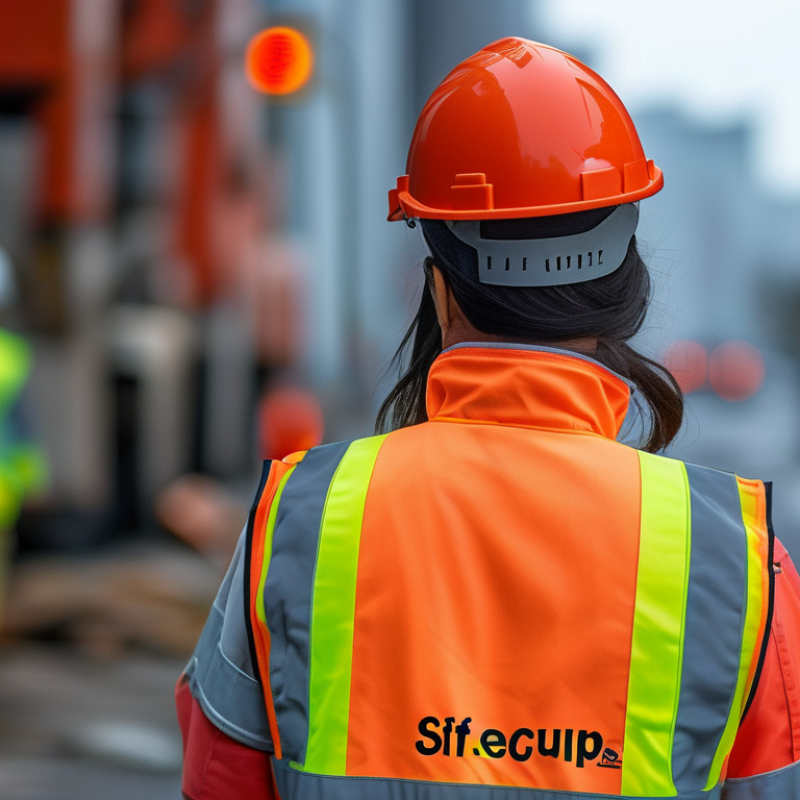
Safety vests are crucial in many work environments. They enhance visibility, especially in low-light conditions. According to the Bureau of Labor Statistics, nearly 20% of workplace accidents occur in areas without sufficient lighting. A reflective safety vest can significantly reduce the risk of such incidents. Workers on construction sites, roadways, or factories benefit from being seen by machinery operators and drivers.
Visibility is vital. Many studies show that a well-designed safety vest can increase visibility by 300% in certain conditions. This heightened awareness can be the difference between life and death. Workers feel more secure when they know they are easily visible. Yet, not all vests meet the same standards. It's essential to understand safety ratings and certifications. Many vests fall short of ANSI (American National Standards Institute) requirements. This gap in standards leads to an underestimation of risk.
Workplace culture often overlooks the importance of quality safety gear. Employers might prioritize cost over safety, which can be dangerous. Some workers may resist wearing vests, feeling they hinder mobility. This mindset can lead to accidents. Regular training and discussions about the value of visibility in the workplace are necessary. Encouraging employees to share experiences fosters a culture of safety. Inadequate attention to safety gear not only affects individuals but also impacts overall workplace safety.
Choosing the right reflective materials for safety vests is crucial for visibility. Different types of reflective materials serve various environments and tasks. There are two main categories: glass bead and micro-prismatic materials. Glass bead materials are effective for lower-speed environments, such as construction sites. They reflect light well under direct illumination.
Micro-prismatic materials offer superior visibility. They are ideal for high-speed situations like roadwork. These materials use tiny prisms to reflect light from various angles, enhancing safety during night shifts. However, they can be more expensive. It's important to weigh the cost against the benefits for your particular job.
Understanding the environment is key. For example, outdoor jobs may demand higher levels of reflectivity due to varying weather conditions. If you work indoors, standard reflective materials may suffice. However, making the wrong choice can lead to safety risks. Always consider the specific tasks and the surrounding environment. Reflective material choice is not just about visibility; it’s about ensuring a safe working atmosphere.
| Reflective Material | Benefits | Best Use Cases | Durability |
|---|---|---|---|
| Retroreflective Tape | High visibility at night, easy to apply | Construction zones, roadside work | Good |
| Fluorescent Fabric | Bright under daylight, enhances visibility | Daytime outdoor work, event staff | Moderate |
| High Visibility Mesh | Breathable, keeps cool in hot conditions | Traffic control, warehouse work | Good |
| PR Reflective Strips | Flexible, conforms to shapes | Safety equipment, custom safety gear | Excellent |
| PVC Reflective Material | Waterproof, good for wet conditions | Rainy weather work, outdoor maintenance | Good |
When choosing a reflective safety vest, fit and comfort are essential for worker safety. A study by the Occupational Safety and Health Administration (OSHA) indicates that proper fitting gear can significantly reduce accidents. Ill-fitting vests can hinder movement, leading to a lack of focus. Comfort contributes not only to performance but also to the overall morale of workers.
Look for vests with adjustable straps that accommodate different body types. A vest that allows air circulation can help prevent fatigue. According to a 2021 report from the National Institute for Occupational Safety and Health (NIOSH), comfort factors play a crucial role in ensuring workers remain focused on their tasks. Many workers report discomfort, which can lead to distractions.
Reflective materials must also be lightweight. Heavy vests can become burdensome during long shifts, causing irritation. The balance between protection and comfort can sometimes feel challenging. Workers often need to compromise between visibility and ease of movement. Therefore, choosing a vest tailored to specific job demands is vital for maintaining optimal safety levels. Widespread training on proper gear utilization can reflect positively on performance and safety awareness.
Navigating industry standards for safety vests is essential for ensuring worker protection. In many sectors, reflective vests fall under ANSI (American National Standards Institute) regulations. These standards categorize vests based on visibility and intended use. For example, Class 2 vests are designed for environments with medium traffic, while Class 3 vests provide maximum visibility. The choice of vest directly impacts worker safety.
According to the Bureau of Labor Statistics, around 20% of workplace injuries stem from insufficient visibility. This highlights the importance of adhering to industry standards. Workers in construction, road maintenance, and emergency services must wear compliant vests. Yet, many companies struggle with selecting the right vest. They often overlook factors like fabric breathability and fit, which significantly affect comfort and usage duration.
Reflective vests should not only meet basic standards but also be durable. Exposure to harsh weather can degrade material quality over time. A report by the National Institute for Occupational Safety and Health emphasized that vests should be regularly inspected for wear and tear. This ensures that the reflective properties remain intact. Regular training on the importance of proper gear selection further empowers workers to prioritize safety in their jobs.
When selecting a reflective safety vest, color and visibility are key. Different job environments require different levels of visibility. Construction sites often demand bright colors, such as neon yellow or orange, to stand out against a busy backdrop. In contrast, jobs in wooded areas may benefit from green vests to blend in while still providing safety. Choosing the right color can enhance safety significantly.
Tips: Always check local regulations for specific visibility requirements based on your environment. This ensures compliance and enhances safety. A high-visibility vest works best under poor lighting conditions. Reflective strips should also be present to maximize visibility during nighttime or low-light situations.
Consider the tasks you’ll perform. Certain jobs may expose you to dirt or debris. A vest that’s too light can quickly become dirty and lose its visibility. On the flip side, darker colors can hide stains well but reduce your visibility. Ensure the vest not only meets your visibility needs but is also practical for your specific job context. When in doubt, prioritize safety over style.
: Proper fitting gear reduces accidents by allowing better movement and focus.
Comfortable vests enhance morale and keep workers focused on their tasks.
Look for adjustable straps and vests with good air circulation to minimize fatigue.
Lightweight vests are ideal, but they must also provide adequate protection during long shifts.
Bright colors like neon yellow or orange are ideal for busy environments like construction sites.
Consider local regulations and specific tasks; different colors may be necessary for various situations.
It’s important to prioritize safety over style to ensure adequate protection on the job.
Lighter vests show dirt quickly, while darker colors may reduce visibility. Choose wisely based on tasks.
Yes, reflective strips enhance visibility in low light and are crucial for nighttime safety.
Regular training can improve safety awareness and ensure proper gear usage among workers.
Choosing the best Safety Vest Reflective for any job is crucial for ensuring the safety of workers in various environments. Safety vests play a vital role in enhancing visibility and protecting individuals from potential hazards. Understanding the importance of safety vests involves recognizing the different types of reflective materials available, each offering unique benefits such as increased brightness or durability.
When selecting a safety vest, it is essential to evaluate fit and comfort features that contribute to overall worker safety. Additionally, being aware of industry standards and regulations can guide the selection process, ensuring compliance in the workplace. Lastly, choosing the right color and visibility level tailored to specific job environments will enhance safety while working in various conditions. Properly selecting a Safety Vest Reflective can significantly reduce the risk of accidents and improve overall workplace safety.
Xintuo